The Level 5 Field project I chose was Crossing The Metaverse – a five week project that explored the idea of the Metaverse and how art and design can exist in virtual spaces. Before the first session, I wanted to do a little bit of prior research in order to prepare myself, and took the time to look at the word ‘Metaverse’ and think about my own experiences with virtuality.
The term Metaverse was coined by Neal Stephenson in his 1992 novel Snow Crash, and is used as a term to collectively describe the near-infinite number of worlds and spaces that exist in the virtual realm. These worlds can range from the immense social media platforms, such as Facebook, Instagram and Twitter, player-created worlds in video games such as The Sims and Second Life, and even virtual classrooms over Zoom and Microsoft Teams that has emerged in the age of the pandemic. These worlds all serve different purposes – to engage the user in recreational activities, such as socialising or playing games, or teaching and educating students, or even showcasing and promoting works of art and music to the world. To my understanding, it is this last facet of virtuality that we are going to be focussing on within Crossing the Metaverse.
The first session provided us with a good overview of the five weeks and our assessment, which involves discussing virtuality and applying it to our own practice, perhaps showcasing a piece of work in the digital world or using the digital world as an element of our work. We took a look at different types of virtuality, such as virtual reality, augmented reality and mixed reality, and completed a small presentation as a group on these different terms to attain a better understanding of virtuality.
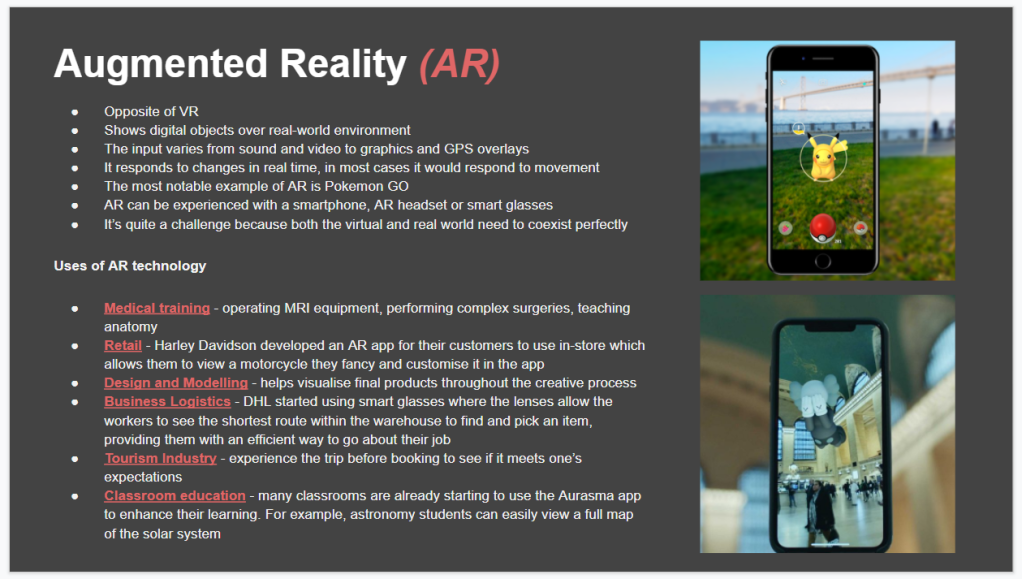
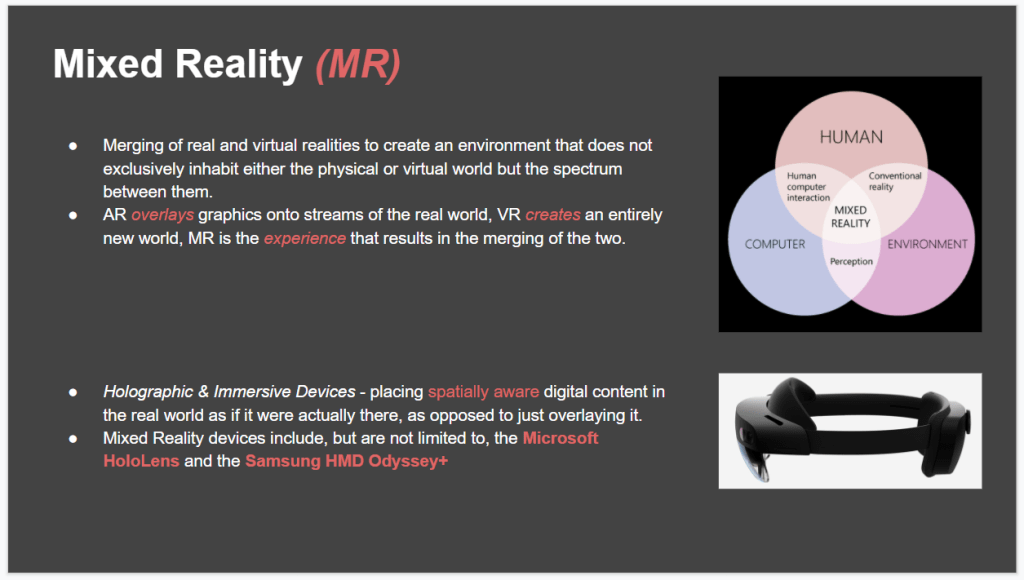
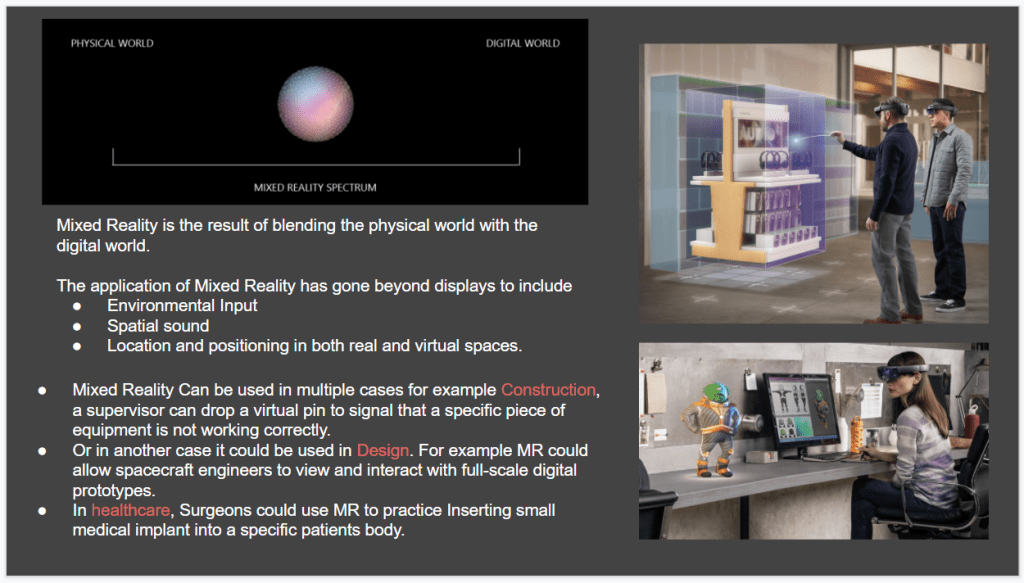
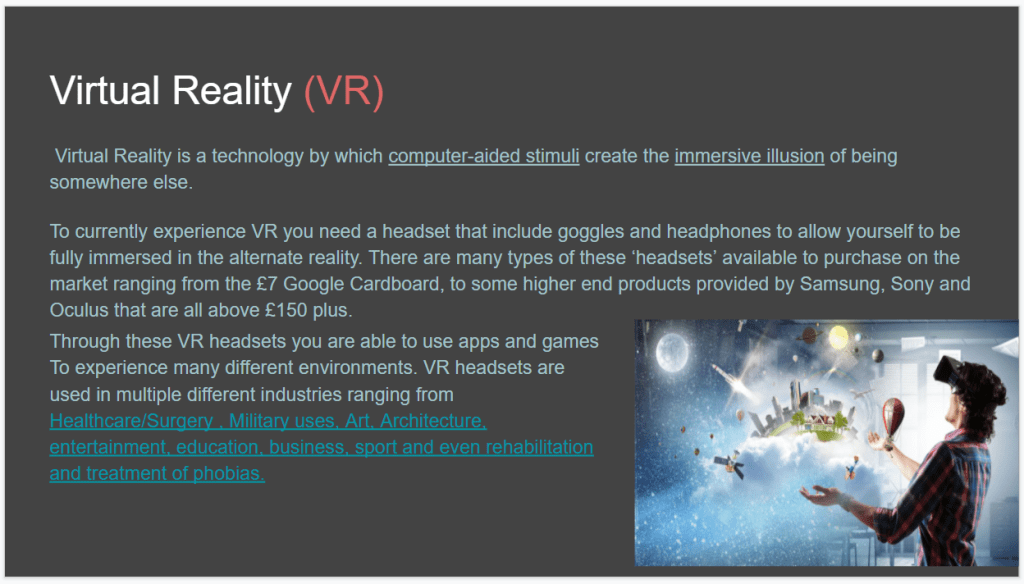
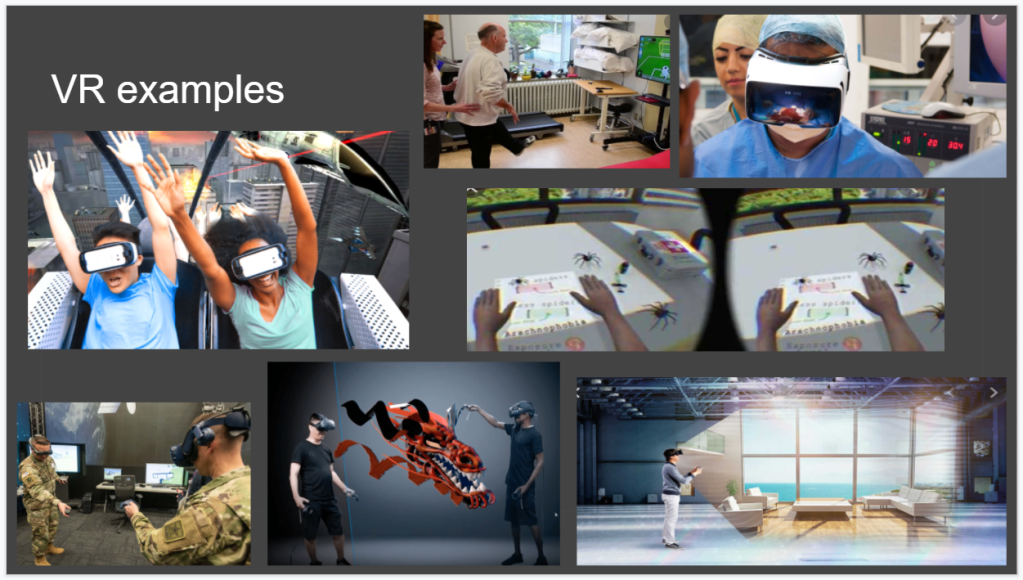
We were also introduced to the online virtual world Second Life, which we then explored further in our second session. Second Life is a massive online virtual world (some may consider it a video game, though whilst a recreational world, Second Life really is so much more) in which players can create an avatar, chat with others and create their own virtual spaces. What’s unique about this world, however, is that everything you see upon loading the client is player-made (with the exception of some developer-made starting areas to introduce the user). In effect, Second Life is probably the most popular and largest virtual world that exists, offering complete freedom to its users by allowing them to create an avatar that either reflects their real-world self or an entirely made up identity, create rooms, areas and even pieces of art to showcase to other inhabitants. We spent an hour or so getting to grips with the basics, then were asked to go out and explore before regrouping and having a discussion about the things we got up to.
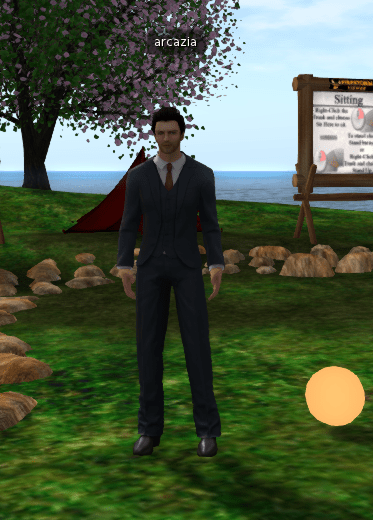
In the three or so hours I played Second Life, I had a few different encounters with the world as a whole and other players. I spoke to a long-term inhabitant of the world who explained how the world differs from our own, and how they came to be more comfortable living in their virtual identity in Second Life as it was a safe haven from some of the issues they had going on in their real world life. I also took the time to explore some different areas and tried to think about how my field area, graphic communication, may be represented. My most notable encounter with the world was visiting one of the many art museums present, which featured work from many different players and had quite a few genuine people wandering around! I found this to be really interesting – my idea of recreational gaming doesn’t quite involve exploring a player-made art museum on a game from 2003, but I think that’s the point – Second Life isn’t meant to be played as a game, it’s meant to be lived in as a world completely separate to ours. After taking some screenshots and finishing any conversations I had with the other inhabitants, I closed the application for the time being.
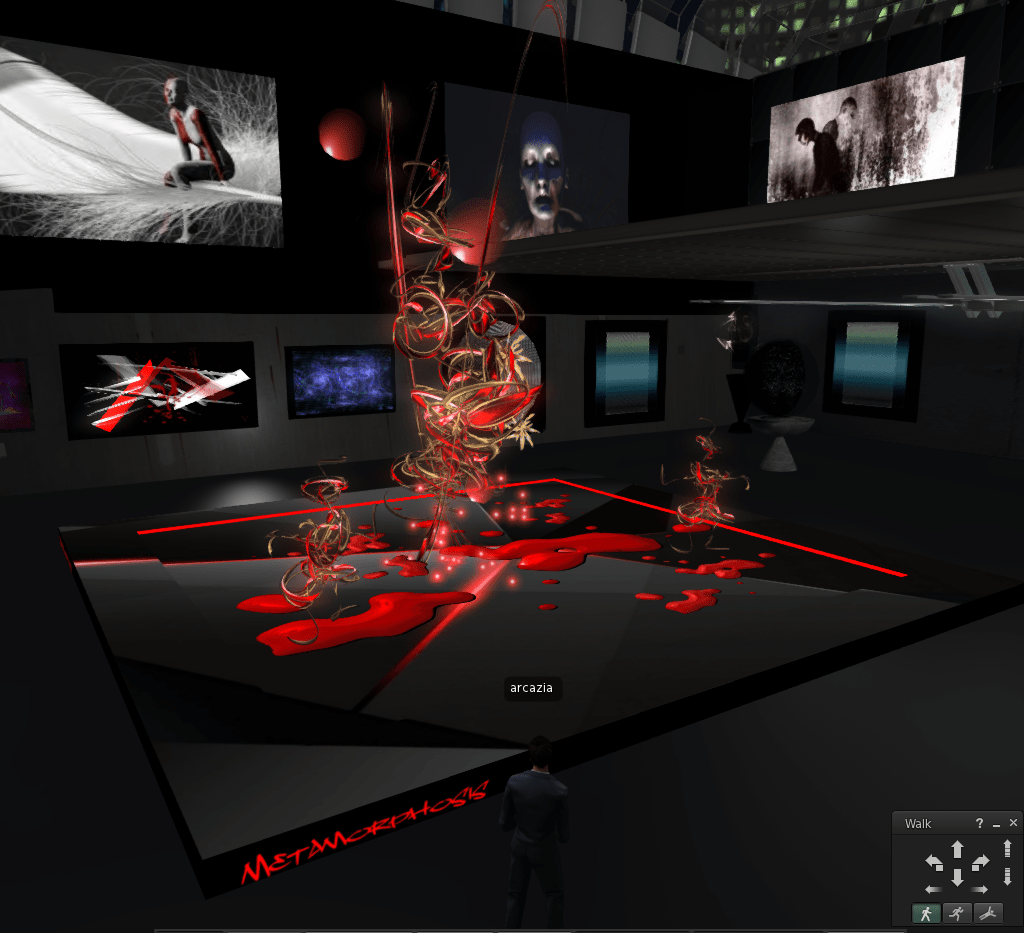
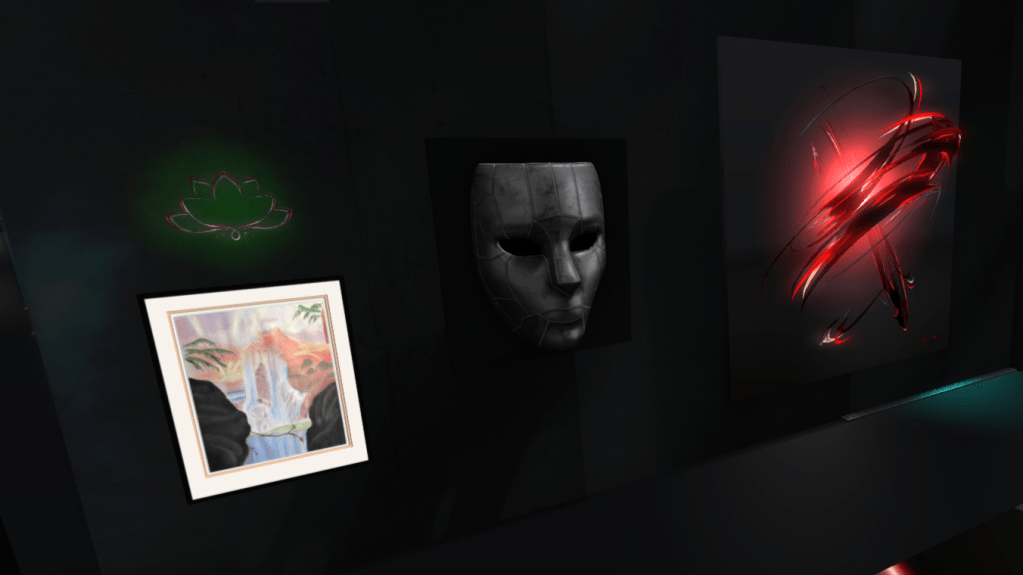
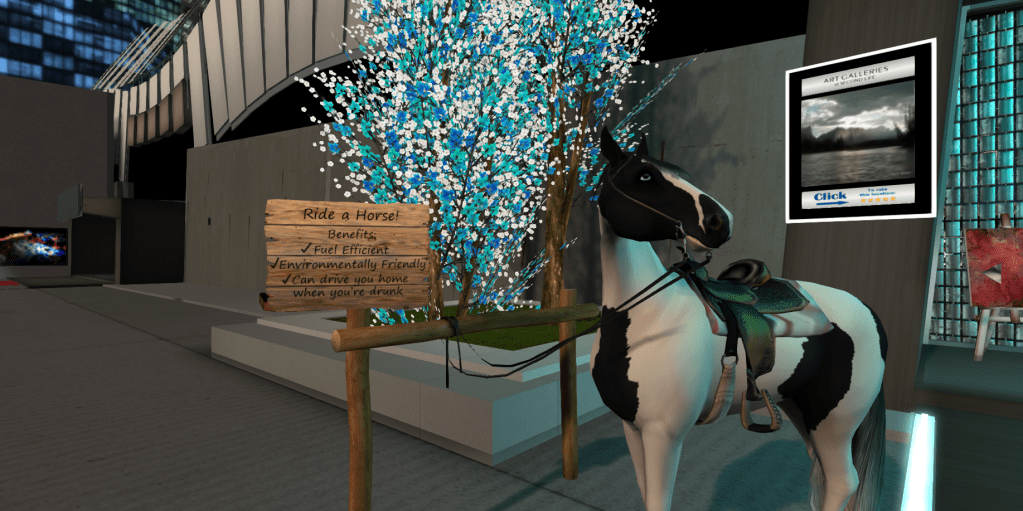
Back as a group, we had some brief discussions about our experiences in the world and what we had found. This was really useful in the reflective process, as it allowed me to apply the views of different designers to my own experiences and think about how the different pieces of art I saw were interpreted differently by students in different fields – for example, I was able to appreciate the type setting and layout of one piece, but an illustrator provided a great specialist insight as to how the image worked in conjunction with this.
So far, so good! My initial interpretations on the five week project have had me thinking differently about virtual worlds, reflecting on my own experiences when playing video games and how those worlds – created either by developers or by myself when allowed to do so – function and differ from each other. Next week I believe we are looking closely at sound and how that adds to the virtual experience, and potentially how to utilise sound within our own outcomes for the assessment.
 BA (Hons) Graphic Communication - Journal