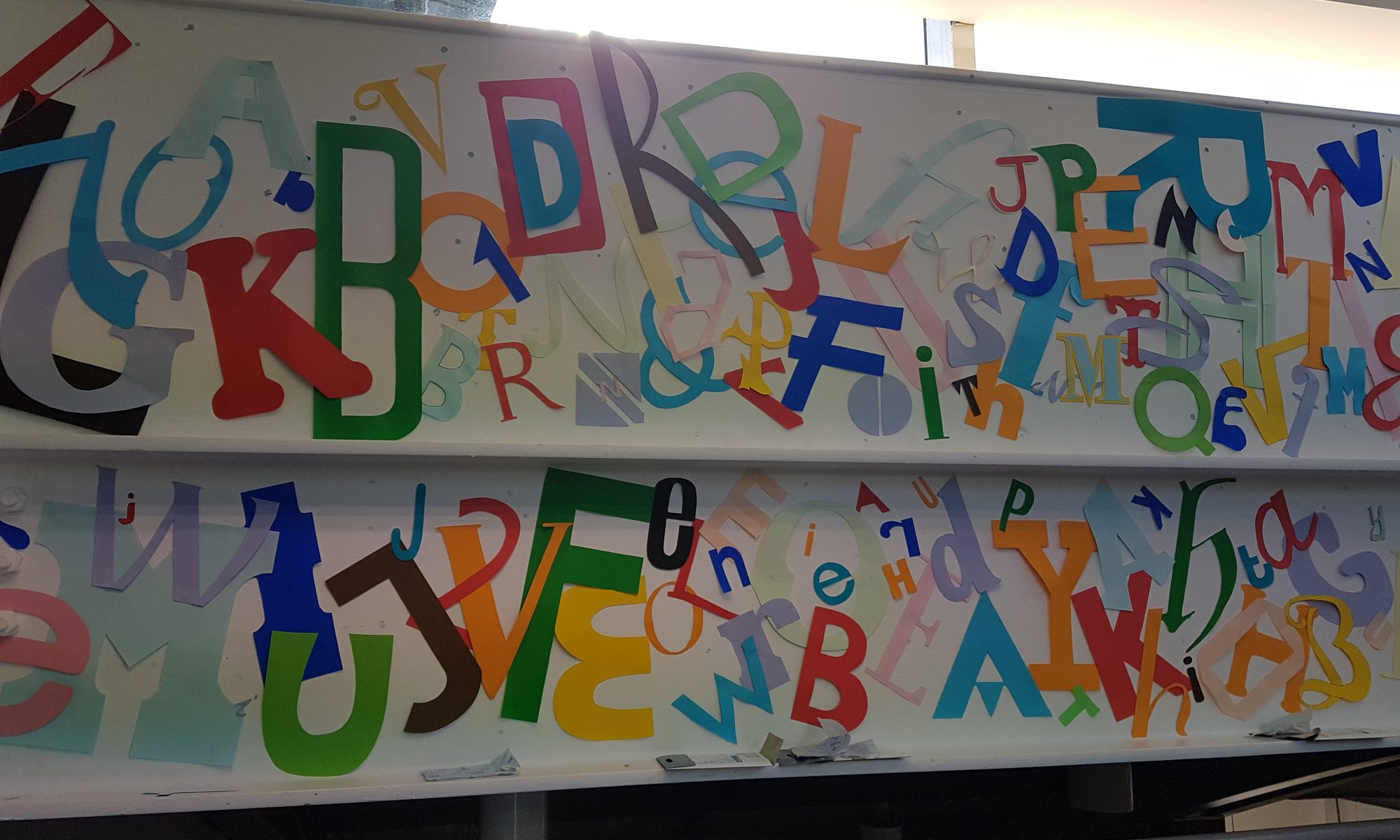
 Serif
Serif
Serif typefaces are typefaces which include strokes with small lines (feet) at the end of them, as shown circled in red. The inclusion of serifs can affect the style of a typeface immensely, creating a more formal, embellished look. (Font: Times New Roman)
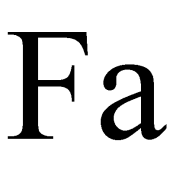 Old Face
Old Face typefaces were originally created around the late 15th century, and are characterised by letterforms with curved strokes and little difference between thick and thin strokes. They also often include letterforms with diagonal cross-strokes, similar to Humanist typefaces, which mimic the natural handwriting of humans. (Font: Times New Roman)
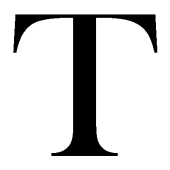 Transitional
Transitional typefaces rose to prominence at the start of the 18th century and feature a strong contrast between thick and thin strokes. They have wider and sharper serifs than Old Factypefaces. (Font: Garamond)
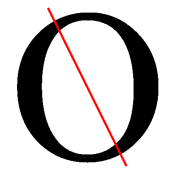
Humanist
Humanist typefaces, similar to Old Face typefaces, appeared in the late 15th century and are characterised by their reflection of the human handwriting style through thinner strokes (shown in the diagram with the red stroke.) They also tend to have a fairly small x-height. (Font: Times New Roman)
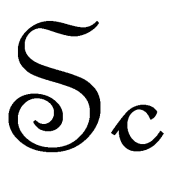
Script
Script typefaces often reflect calligraphy with their attention to curved strokes, once again mimicking the human hand and the nib of a pen. The style of the typeface promotes elegance and may often be seen in formal invitations or event advertisements. (Font: French Script MT)

Roman
Roman typefaces are based around the inscription of letters into stone, the serifs reflecting the work of a chisel. They rose to prominence in the 15th century and their style promotes a sense of antiquity. (Font: Garamond)

Italic
Italic typefaces are used to indicate importance via the slant in each individual letterform, drawing attention to certain parts of text. (Font: Georgia)

Majuscule & Miniscule
Majuscule typefaces include letterforms which are usually capitalised, and all letterforms pertain to the same height. This is to ease readability. Miniscule typefaces have a similar purpose, but they tend to be lowercase, pertain to the same height and are designed to be legible at small sizes. (Font: HWT Artz)

Geometric
Geometric typefaces are made up of strokes that all hold the same weight, and are based on circular and triangular fonts. They reflect a clean and mathematical style. (Font: Futura PT)

Condensed
Condensed typefaces are taller than they are wider, and can be used to fit a lot of information into small areas of print or screen. Typically, you may see condensed typefaces used in film posters, crediting the crew and cast. (Font: Origin Super Condensed)

Ligature
A ligature typeface is where two individual letterforms join together to create one glyph, creating a similar style to script and calligraphic typefaces. (Font: Times New Roman)

Gothic
Gothic typefaces often contain complicated letterforms with thick stroke weights to create a sense of dread or unease. Derived from Carolingian Miniscules, the typefaces can often be illegible. (Font: Amador)

Slab Serif
Slab Serif typefaces contain letterforms with strokes that all hold the same weight, similar to Geometric typefaces, but also hold serifs which create a more formal and embellished style. They are also known as Egyptian typefaces. (Font: Mislab)

Clarendon
Clarendon typefaces are essentially slab serif typefaces that originated in England from the Clarendon Press in Oxford, used thoroughly in the Second World War. (Font: Clarendon Text Pro)

Photo: Shot in Cardiff, demonstrating an example of Clarendon letterforms within a commercial environment.
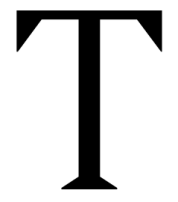
Triangular Serif
Triangular Serif typefaces contain serifs triangular in shape, and are the most common example of serif in modern typography. (Font: Editor, Designed by Jean-Baptiste Morizot, Published by Indian Type Foundry, 2016)
 Bifurcated and Trifurcated Serifs
Bifurcated and Trifurcated serifs are serifs that are split into two and three respectively, creating a more embellished visual to the entire letterform and word. Their style is ornate and decorative and are often used for such purposes.

Vestigal
Vestigal typefaces contain letterforms with noticeable flairs and embellishments to create an attractive and decorative style.
Photo: Shot in Cardiff, demonstrating a window logo that uses a Vestigal typeface to promote its brand and attract customers.

Fat Face
Fat Face typefaces are often all caps, bold and are wider than they are tall. They were often used in advertising in 19th century Europe due to their stylistic nature and ability to stand out. (Font: HWT Roman Extended)
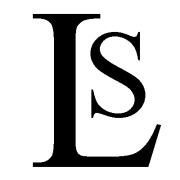
Nesting
Nesting is a process in typography in which a smaller letter will sit entirely inside the boundaries of a larger one. (Font: Times New Roman)

Superior Letters
Superior Letters are letterforms that dominate an area, and all subsequent letters will sit above its baseline and be smaller in scale. This can be often seen in abbreviations and dates, for example. (Font: Onyx)

Versals Lombardic
Versals Lombardic is a style of decorative typography where a letterform will usually sit inside a frame and be accompanied by images or illustrations. They are often seen in books or fairytales and create a sense of grandeur through their style.

